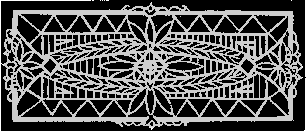
Ornamental work formerly made with grains or beads is called filigree. It comes from an Italian word made from the Latin words for thread and grain. Today filigree is usually of fine wire of gold, silver, or copper, and is used chiefly to decorate gold and silver surfaces. Filigree can also apply to any ornamental openwork of delicate or intricate design or to a pattern or design resembling such openwork.
Examples of filigree in a Sentence
Noun
a surface decorated with filigree and pearls
Recent Examples on the Web
Examples are automatically compiled from online sources to
show current usage.Read More
Opinions expressed in the examples do not represent those of Merriam-Webster or its editors.
Send us feedback.
Noun
In moments like these, KAVARI carves intricate filigrees out of monolithic blocks of sound, keeping the spiky moments from devolving into overly indulgent harsh noise (for fans of the latter, try her side project EEL BLOOD).—James Gui, Pitchfork, 6 Feb. 2026 Gold filigree adorned a clear base, giving her nails a romantic, pre-Raphaelite effect that’s become part of Chappell’s signature style.—Ariel Wodarcyk, InStyle, 2 Feb. 2026
Verb
Beyond its core collections, the workshop has extended its craft into couture-level pieces, which range from dragon and phoenix bridal robes to filigree Miao-style hats, and more.—Denni Hu, Footwear News, 12 Feb. 2026 Each story is filigreed with the meta-commentary flashing onscreen and a daredevil’s enjoyment of audience interaction.—Jackson McHenry, Vulture, 22 July 2025 See All Example Sentences for filigree
Word History
Etymology
Noun and Verb
modification of French filigrane, from Italian filigrana, from Latin filum + granum grain — more at corn