intimidate implies inducing fear or a sense of inferiority into another.
intimidated by so many other bright freshmen
cow implies reduction to a state where the spirit is broken or all courage is lost.
not at all cowed by the odds against making it in show business
bulldoze implies an intimidating or an overcoming of resistance usually by urgings, demands, or threats.
bulldozed the city council into approving the plan
bully implies intimidation through threats, insults, or aggressive behavior.
bullied into giving up their lunch money
browbeat implies a cowing through arrogant, scornful, or contemptuous treatment.
browbeat the witness into a contradiction
Examples of cow in a Sentence
Noun
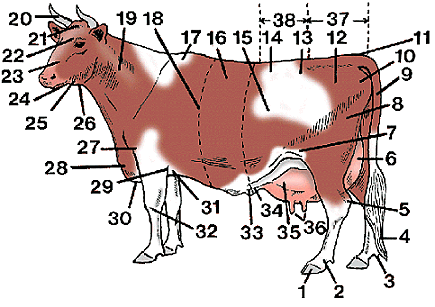
The cows need to be milked twice a day. Verb
I refuse to be cowed by their threats.
a sharp glare cowed the child into being quiet
Recent Examples on the Web
Examples are automatically compiled from online sources to
show current usage.Read More
Opinions expressed in the examples do not represent those of Merriam-Webster or its editors.
Send us feedback.
Noun
Companies like Alphabet and Meta have cash-cow advertising businesses that can support a few extra basis points of interest.—
Liz Hoffman,
semafor.com,
13 Oct. 2026 The event began more than a century ago following a tempestuous season of shenanigans (like turning over outhouses and letting cows loose down Main Street); the city’s leaders decided to keep residents occupied every October from then on.—
Michelle Mastro,
Midwest Living,
9 Oct. 2026
Verb
Universities in Texas are seizing and scrubbing syllabi, and some of the country’s most storied institutions of higher learning have been cowed into paying protection money.—
Ta-Nehisi Coates,
Vanity Fair,
12 Oct. 2026 Many students are outraged by a rape lawsuit but cowed by the university’s penalties for protesters.—
Grey Battle,
Washington Post,
11 Oct. 2026 See All Example Sentences for cow
Word History
Etymology
Noun
Middle English cou, from Old English cū; akin to Old High German kuo cow, Latin bos head of cattle, Greek bous, Sanskrit go
Verb
probably of Scandinavian origin; akin to Danish kue to subdue
First Known Use
Noun
before the 12th century, in the meaning defined at sense 1a


 Copy Citation