: a rigid piece that transmits and modifies force or motion when forces are applied at two points and it turns about a third
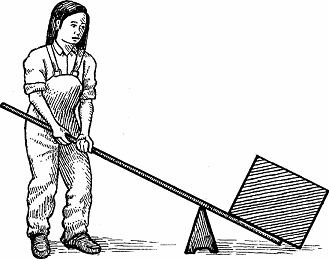
specifically: a rigid bar used to exert a pressure or sustain a weight at one point of its length by the application of a force at a second and turning at a third on a fulcrum
b
: a projecting piece by which a mechanism (see mechanismsense 1) is operated or adjusted
Noun
They used their money as a lever to gain political power. Verb
He levered the rock out of the hole.
the workers used crowbars to lever the heavy stone block into its new position
Recent Examples on the Web
Examples are automatically compiled from online sources to
show current usage.Read More
Opinions expressed in the examples do not represent those of Merriam-Webster or its editors.
Send us feedback.
Noun
As shoppers cut spending in the face of high gas and food prices, businesses have pulled more levers to boost profitability and appease investors.—
Ryan Baker,
CNBC,
10 Oct. 2026 The Ordinary brand is a lever, as well, due to its accessible price points.—
Jennifer Weil,
Footwear News,
9 Oct. 2026
Verb
Back at the end of April, investment bank Jefferies put out a basket of names levered to OpenAI, including Oracle, CoreWeave , SoftBank and Broadcom , among others.—
Tobias Burns,
CNBC,
19 Aug. 2026 The small, seemingly insignificant experience of controlling an automobile by clutching and levering its gears turned out to be deeply meaningful.—
Ian Bogost,
The Atlantic,
7 July 2026 See All Example Sentences for lever
Word History
Etymology
Noun
Middle English, from Anglo-French levier, lever, from lever to raise, from Latin levare, from levis light in weight — more at light
: a stiff bar for applying a force (as for lifting a weight) at one point of its length by effort at a second point and turning at a third point on a fulcrum
Middle English lever "bar for prying," from early French levier (same meaning), from lever (verb) "to raise," from Latin levare "to raise" — related to elevate


 Copy Citation