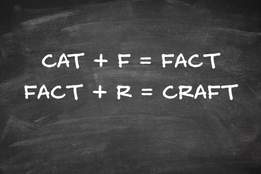
Many English verbs begin with the prefix re-, meaning “again” or “backward,” so we wouldn’t criticize you for drawing a connection between rebuff and buff, a verb meaning “to polish or shine.” But rebuff would beg to differ: this word comes to us from the Middle French verb rebuffer, which traces back to the Old Italian ribuffare, meaning “to reprimand.” (Buff, in contrast, comes from the Middle French noun buffle, meaning “wild ox”). A similar word, rebuke, shares the “criticize” sense of rebuff, but not the “reject” sense; one can rebuke another’s actions or policies, but one does not rebuke the advances of another, for example. Like rebuke, rebuff can also be used as a noun, as in “The proposal was met with a stern rebuff from the Board of Trustees.”
Examples of rebuff in a Sentence
Our suggestion was immediately rebuffed.
The company rebuffed the bid.
She rebuffed him when he asked her for a date.
Recent Examples on the Web
Examples are automatically compiled from online sources to
show current usage.Read More
Opinions expressed in the examples do not represent those of Merriam-Webster or its editors.
Send us feedback.
In his ruling rebuffing the judicial misconduct claims as grounds for recusal, Hyland disputed that Remington was involved in writing the order at issue.—Mia Cathell, The Washington Examiner, 11 Dec. 2025 In total, as outlined to some degree in a letter sent from Ellison to WBD shareholders today, Paramount has made six offers, all rebuffed.—Dominic Patten, Deadline, 10 Dec. 2025 Simmons, who spoke after Hinton, rebuffed this notion.—Jon Blistein, Rolling Stone, 9 Dec. 2025 Senate President Pro Tempore Rodric Bray has twice rebuffed the idea of convening to do so before ultimately agreeing to meet next week.—Kayla Dwyer, IndyStar, 6 Dec. 2025 See All Example Sentences for rebuff
Word History
Etymology
Middle French rebuffer, from Old Italian ribuffare to reprimand, from ribuffo reprimand
Share