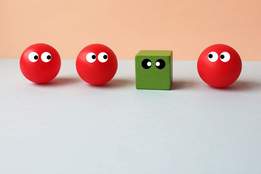
Louche ultimately comes from the Latin word luscus, meaning "blind in one eye" or "having poor sight." This Latin term gave rise to the French louche, meaning "squinting" or "cross-eyed." The French gave their term a figurative sense as well, taking that squinty look to mean "shady" or "devious." English speakers didn't see the need for the sight-impaired uses when they borrowed the term in the 19th century, but they kept the figurative one. The word is still quite visible today and is used to describe both people and things of questionable repute.
Examples are automatically compiled from online sources to
show current usage.Read More
Opinions expressed in the examples do not represent those of Merriam-Webster or its editors.
Send us feedback.
Instead, The Standard, Ibiza, presents itself as a bolthole for an in-the-know, sophisticated, and louche crowd that wants a bit of buzz but without any over-the-top hoopla.—Condé Nast, Condé Nast Traveler, 14 Mar. 2026 Like Corsair in Nashville, Gate Eleven offers tours, absinthe history and, of course, louche ceremonies.—David Cook, Southern Living, 4 Mar. 2026 As the Times’ David Fahrenthold told CNN, the louche role of some tech billionaires in the Epstein scandal is particularly chilling because our lives in the coming years will be defined by these billionaires.—Maureen Dowd, Mercury News, 10 Feb. 2026 Rather than simply turning back the clock, though, brands like Tory Burch, Versace, Ferragamo, Chanel, and LaQuan Smith are updating the look for a new century with louche shapes and sprays of beads.—Jake Henry Smith, Glamour, 10 Dec. 2025 See All Example Sentences for louche
Word History
Etymology
French, literally, cross-eyed, squint-eyed, from Latin luscus blind in one eye