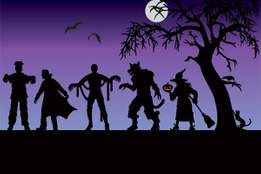
A figment is something formed from imaginary elements. Daydreams are figments; nightmares are figments that can seem very real. Most figments are everyday fears and hopes about small things that turn out to be imaginary. But when the radio play "The War of the Worlds" aired in 1938, it caused a panic among thousands of people who didn't realize the Martian invasion was just a figment of the author's imagination.
unable to find any tracks in the snow the next morning, I was forced to conclude that the shadowy figure had been a figment of my imagination
thus far, the invisible human being has been nothing more than a figment of fantasy writers
Recent Examples on the Web
Examples are automatically compiled from online sources to
show current usage.Read More
Opinions expressed in the examples do not represent those of Merriam-Webster or its editors.
Send us feedback.
According to Jean-Jacques L’Henaff, vice president of design at American Standard, the shift away from bathtubs is not a figment of our imagination.—Mary Cornetta, Better Homes & Gardens, 5 Mar. 2026 China occupies islands across the South China Sea without even a figment of legal right.—David Frum, The Atlantic, 2 Mar. 2026 That practice remained with Cronin over the next six months, providing a figment to cling to as Dent failed to re-enact that greatness.—Aaron Heisen, Daily News, 27 Feb. 2026 Excusing those two flickers of broken hegemony, the WSL’s highest echelon has been an unassailable strongbox, a figment of the rest of the table’s imagination.—Megan Feringa, New York Times, 9 Feb. 2026 See All Example Sentences for figment
Word History
Etymology
Middle English, "fable, deceitful practice," borrowed from Latin figmentum "thing formed, image, invention," from fig-, variant stem of fingere "to mold, fashion, make a likeness of, pretend to be" + -mentum-ment — more at feign