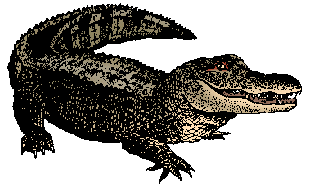
: either of two large carnivorous, thick-skinned, long-bodied, aquatic, crocodilian reptiles (Alligator mississippiensis of the southeastern U.S. and A. sinensis of China) that have a broad head with a slightly tapered, long, rounded, U-shaped snout and a special pocket in the upper jaw for reception of the enlarged lower fourth tooth
Examples are automatically compiled from online sources to
show current usage.Read More
Opinions expressed in the examples do not represent those of Merriam-Webster or its editors.
Send us feedback.
In June, a 31-year-old woman named Brittany Clark was killed by an alligator near her home in Oviedo.—
Brie Stimson,
FOXNews.com,
18 Oct. 2026 Among them was a 61-year-old woman tipped out of her canoe by an alligator in 2025 and an 85-year-old widow who was dragged out of her backyard by an alligator while walking her dog in 2023.—ABC News,
17 Oct. 2026 Hamilton’s death marked the second deadly alligator attack in Florida this year.—
Julie Carr Smyth,
Los Angeles Times,
17 Oct. 2026 Responding emergency personnel relayed reports that witnesses had seen someone possibly grabbed by an alligator and pulled into the water, according to a recording radio traffic.—
Matt Lavietes,
NBC news,
17 Oct. 2026 See All Example Sentences for alligator
Word History
Etymology
Spanish el lagarto the lizard, from el the (from Latin ille that) + lagarto lizard, from Vulgar Latin *lacartus, from Latin lacertus, lacerta — more at lizard


 Copy Citation