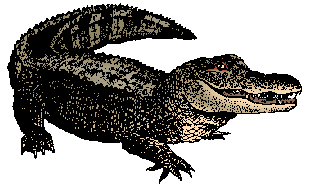
: either of two large carnivorous, thick-skinned, long-bodied, aquatic, crocodilian reptiles (Alligator mississippiensis of the southeastern U.S. and A. sinensis of China) that have a broad head with a slightly tapered, long, rounded, U-shaped snout and a special pocket in the upper jaw for reception of the enlarged lower fourth tooth
Examples are automatically compiled from online sources to
show current usage.Read More
Opinions expressed in the examples do not represent those of Merriam-Webster or its editors.
Send us feedback.
The wildlife refuge is home to at least 48 mammal species, 238 bird species, 856 plant species, and 90 reptile and amphibian species, including American alligators.—
Evie Carrick,
Travel + Leisure,
28 July 2026 Some beekeepers use barges to get their hives into these remote river regions framed by ancient cypress, where alligators and turtles lurk below dark tannic water.—
Anne Byrn,
Southern Living,
26 July 2026 The Okefenokee is home to one of Georgia’s three populations of black bears, which are major predators of young alligators.—
Charles Seabrook,
AJC.com,
25 July 2026 Wynn said the alligator started to get agitated and even opened its mouth and hissed at her.—
Steven Yablonski,
Miami Herald,
23 July 2026 See All Example Sentences for alligator
Word History
Etymology
Spanish el lagarto the lizard, from el the (from Latin ille that) + lagarto lizard, from Vulgar Latin *lacartus, from Latin lacertus, lacerta — more at lizard


 Copy Citation