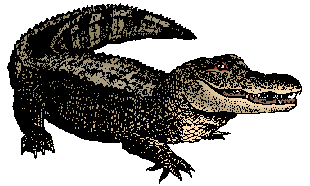
: either of two large carnivorous, thick-skinned, long-bodied, aquatic, crocodilian reptiles (Alligator mississippiensis of the southeastern U.S. and A. sinensis of China) that have a broad head with a slightly tapered, long, rounded, U-shaped snout and a special pocket in the upper jaw for reception of the enlarged lower fourth tooth
Examples are automatically compiled from online sources to
show current usage.Read More
Opinions expressed in the examples do not represent those of Merriam-Webster or its editors.
Send us feedback.
The unique green restaurant overlooks the South Florida Intracoastal Waterway and an alligator viewing site, according to its website.—
Chiara Kim,
PEOPLE,
9 Sep. 2026 According to investigators, the alligator was estimated to be about 9 to 12 feet in length, and a licensed Florida wildlife trapper responded to the area to place traps for the alligator.—
Steven Yablonski,
CBS News,
9 Sep. 2026 Well, the internet cooked up the idea that the chant originated from late-1800s and early-1900s imagery and stories that depicted Black children being used as bait to catch alligators.—
Zach Dean Outkick,
FOXNews.com,
7 Sep. 2026 Those gifts included rodeo tickets, an alligator wallet and two cowboy hats, according to the report.—
Luke Barr,
ABC News,
4 Sep. 2026 See All Example Sentences for alligator
Word History
Etymology
Spanish el lagarto the lizard, from el the (from Latin ille that) + lagarto lizard, from Vulgar Latin *lacartus, from Latin lacertus, lacerta — more at lizard


 Copy Citation


