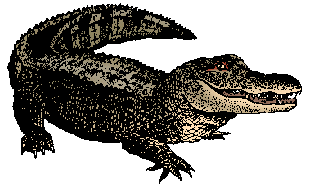
: either of two large carnivorous, thick-skinned, long-bodied, aquatic, crocodilian reptiles (Alligator mississippiensis of the southeastern U.S. and A. sinensis of China) that have a broad head with a slightly tapered, long, rounded, U-shaped snout and a special pocket in the upper jaw for reception of the enlarged lower fourth tooth
Examples are automatically compiled from online sources to
show current usage.Read More
Opinions expressed in the examples do not represent those of Merriam-Webster or its editors.
Send us feedback.
Two bright, airy levels showcase gleaming white marble floors and Venetian plaster walls paired with Swarovski crystal chandeliers and exotic alligator and stingray leather accents, plus scenic views of Lake Washington and the Seattle skyline.—
Wendy Bowman,
Robb Report,
6 Oct. 2026 American alligators can reach 13 feet and 500 pounds in eastern North Carolina, which is the northernmost range of the species.—
Mark Price,
Charlotte Observer,
5 Oct. 2026 Suavecito pomade for me, alligator boots and a 100X gray Stetson for my dad.—Los Angeles Times,
3 Oct. 2026 Fishing for trout in the Mississippi River — while pitching for the Clinton (Iowa) LumberKings — and having his line snapped by an alligator gar.—
Levi Weaver,
New York Times,
2 Oct. 2026 See All Example Sentences for alligator
Word History
Etymology
Spanish el lagarto the lizard, from el the (from Latin ille that) + lagarto lizard, from Vulgar Latin *lacartus, from Latin lacertus, lacerta — more at lizard


 Copy Citation