Word of the Day:

November 9, 2026

wabi-sabi

noun WAH-bee-SAH-bee

What it Means
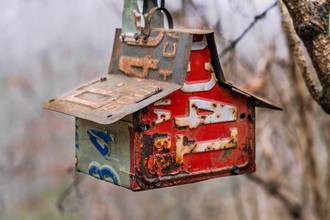
Wabi-sabi refers to a philosophy of Japanese origin that emphasizes the aesthetic value in imperfect, impermanent, and simple things. This word can also refer to the qualities of imperfection, impermanence, and simplicity considered as beautiful.

// Over the years, the gardener learned to let go of his perfectionism and embrace wabi-sabi.

See the entry

Wabi-sabi in Context

"Traditional Japanese homes often follow the philosophy of wabi-sabi, an appreciation for imperfection and asymmetry. If elements are flawed, worn out or unbalanced, rather than scrambling to fix them, the theory goes, it's better to not only accept but celebrate a place's peccadillos." — Robin Roberts, The Vancouver (British Columbia) Sun, 9 May 2026

More example sentences

Did You Know?

Wabi-sabi followed a simple path to English: it was borrowed directly from Japanese in the early 1960s. The philosophy this word refers to, however, is much older. In the mid-16th century, Japanese tea master Sen Rikyū firmly established simple or unadorned beauty, known as wabi, and an aged appearance or rustic patina, known as sabi, as integral aesthetic elements of the ceramics used in tea ceremonies. A popular expression of wabi-sabi is seen in kintsugi, the traditional Japanese art of repairing broken pottery using a lacquer and metal powder (such as gold, silver, or platinum) to draw attention to, rather than hide, the repair. Kintsugi is another Japanese borrowing, from kin, meaning "gold" and tsugi, meaning "patch."

Test Your Vocabulary

What 6-letter word, from a Japanese word meaning "tray planting," refers to a potted plant (such as a tree) dwarfed (as by pruning) and trained to an artistic shape?

View the Answer
Daily Challenge

Want to listen to the Word of the Day instead?

Follow daily podcast