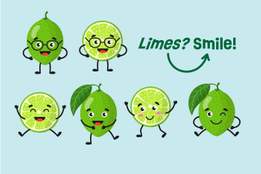
mascot

noun

mas·​cot ˈma-ˌskät How to pronounce mascot (audio)
also -skət
Synonyms of mascotnext
: a person, animal, or object adopted by a group as a symbolic figure especially to bring them good luck
the team had a mountain lion as their mascot

Examples of mascot in a Sentence

The team had a mountain lion as their mascot. she wears a mascot made of ebony and silver on a chain around her neck
Recent Examples on the Web
Examples are automatically compiled from online sources to show current usage. Read More Opinions expressed in the examples do not represent those of Merriam-Webster or its editors. Send us feedback.
Not only did the 18-year-old make his senior debut for Chelsea in the FA Cup away to Hull City, but a few days earlier, without fans knowing, the forward took on the distinguished role of club mascot, Stamford the Lion. Caoimhe O'Neill, New York Times, 19 Feb. 2026 Forget the pins and plush mascots — the hottest collectible at the Winter Games apparently comes in a foil wrapper. Hanna Wickes, Miami Herald, 19 Feb. 2026 Across the country, town names, logos or mascots are painted on them, becoming symbols of local identity. Stephanie Threinen, Austin American Statesman, 19 Feb. 2026 The one-time toothpaste mascot only begins to find his way when an unexpected acting call leads him to start working for a rental family service, which hires him out to play stand-in roles in strangers’ lives. Saman Shafiq, USA Today, 17 Feb. 2026 See All Example Sentences for mascot

Word History

Etymology

French mascotte, from Occitan mascoto, from masco witch, from Medieval Latin masca

First Known Use

1881, in the meaning defined above

Time Traveler
The first known use of mascot was in 1881

Browse Nearby Words

Cite this Entry

“Mascot.” Merriam-Webster.com Dictionary, Merriam-Webster, https://www.merriam-webster.com/dictionary/mascot. Accessed 24 Feb. 2026.

Kids Definition

mascot

noun
mas·​cot ˈmas-ˌkät How to pronounce mascot (audio)
also -kət
: a person, animal, or object supposed to bring good luck
Etymology

from French mascotte "mascot," from a Romance word mascoto "charm," literally "little witch," from masco "witch," from Latin masca "witch"

Word Origin
The word mascot is an example of words that come to have a more pleasant meaning as they develop through the years and through many languages. The ancestor of mascot is the Latin word masca, used in the Middle Ages to mean "witch." Masca passed into the Romance speech of southern France as masco. Later it developed a derivative mascoto, literally meaning "little witch" but actually used to mean "charm" or "magic spell." A magic spell can be used for good as well as bad. Already, then, we have the beginnings of a change to a nicer idea in the basic use of the word. The word mascoto came to be mascotte in modern French, meaning a "good luck charm." It was made popular by the operetta La Mascotte in 1880. In this operetta "la mascotte" is the lovely young woman Bettina, whose influence brings victories to the army of the prince of Pisa. English later borrowed the word as mascot, with the meaning "a person or thing thought to bring good luck." Today the word is often used to refer to an animal chosen by a school or college as a good luck symbol for its sports teams.

More from Merriam-Webster on mascot

Last Updated: - Updated example sentences
Love words? Need even more definitions?

Subscribe to America's largest dictionary and get thousands more definitions and advanced search—ad free!

More from Merriam-Webster