: a combination of patches on a solid ground of contrasting color (as in the coats of some dogs)
Illustration of harlequin
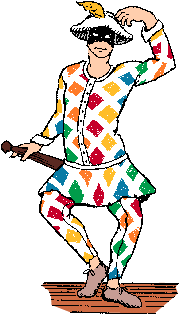
Harlequin
Did you know?
History of Harlequin
When capitalized, Harlequin refers to a stock character of the Italian commedia dell’arte and subsequently the pantomime traditions of other nations. The character began in the 16th century as an unscrupulous comic servant, later became a faithful valet involved in amorous exploits, and ultimately evolved into a clownlike figure engaging in good-natured joking and amusing tricks. Harlequin’s outfit began as peasant clothes covered in bright patches and developed into a tight-fitting costume with bright triangles and diamond shapes and a black half-mask. Harlequin was the principal character of pantomime slapstick plays known as harlequinades.
among the court entertainers waiting to enter the grand hall were masked harlequins in brightly colored pantaloons
Recent Examples on the Web
Examples are automatically compiled from online sources to
show current usage.Read More
Opinions expressed in the examples do not represent those of Merriam-Webster or its editors.
Send us feedback.
The spill hit 1,300 miles of coastline, leading to the deaths of about 900 bald eagles, 300 seals, 1,000 harlequin ducks, 2,800 sea otters and 250,000 seabirds, according to the conservation group Oceana.—Arizona Republic, AZCentral.com, 24 Mar. 2026 If the Brits are anything to go by, feather boas and harlequin jumpsuits are out, and French-girl flats are in.—Alice Newbold, Vogue, 28 Feb. 2026 Rather than the usual crisscross pattern, Holmes’ sweater features solid block diamonds in bold colors for a harlequin look that is honestly a breath of fresh air.—Elizabeth Logan, Glamour, 27 Jan. 2026 Like an ex-NatGeo marine videographer, who can film guests drift diving through walls of harlequin sweetlips, as if the spirit of Jacques Cousteau was puppeteering their wetsuits.—Tristan Rutherford, Robb Report, 26 Jan. 2026 See All Example Sentences for harlequin
Word History
Etymology
ultimately from Italian arlecchino, from Middle French Helquin, a demon