Illustration of ear
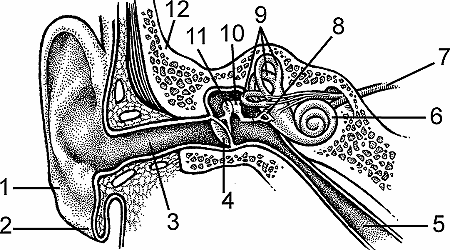
- 1 pinna
- 2 lobe
- 3 auditory meatus
- 4 tympanic membrane
- 5 eustachian tube
- 6 cochlea
- 7 auditory nerve
- 8 stapes
- 9 semicircular canals
- 10 incus
- 11 malleus
- 12 bones of skull
 Sarah Shachat, IndieWire, 24 Mar. 2026
Mesopotamian patients were instructed to seek divine help specifically for complaints of the ear, spleen, and pancreas.
—Rafil Kroll-Zaidi, Harpers Magazine, 24 Mar. 2026
Katherine Koretski, CNN Money, 20 Mar. 2026
Even as a Black person who smiled ear to ear when Black people fought for laughter with the mighty pressure of their jaws.
—Literary Hub, 28 Jan. 2026
See All Example Sentences for ear
Sarah Shachat, IndieWire, 24 Mar. 2026
Mesopotamian patients were instructed to seek divine help specifically for complaints of the ear, spleen, and pancreas.
—Rafil Kroll-Zaidi, Harpers Magazine, 24 Mar. 2026
Katherine Koretski, CNN Money, 20 Mar. 2026
Even as a Black person who smiled ear to ear when Black people fought for laughter with the mighty pressure of their jaws.
—Literary Hub, 28 Jan. 2026
See All Example Sentences for ear
“Ear.” Merriam-Webster.com Dictionary, Merriam-Webster, https://www.merriam-webster.com/dictionary/ear. Accessed 28 Mar. 2026.
ear
1 of 2 nounear
2 of 2 nounNoun
Old English ēare "organ of hearing"
Noun
Old English ēar "seed part of a plant"
ear
noun Copy Citation