Did you know?
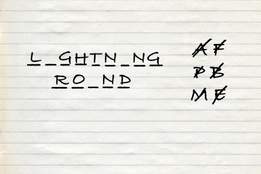
Need a shiny word to bust out at your next disco party, planetarium visit, or fireworks gathering? How about effulgence? It’s not a shiny "new" word, having made its English language debut in the 17th century, but it does come from the Latin verb fulgēre, meaning "to shine." Effulgence isn’t used for bog-standard brightness, however; it’s reserved for shininess that dazzles, inspires, leaves you gobsmacked—in other words, "radiant splendor."
Examples of effulgence in a Sentence
the exceptional effulgence of the harvest moon is always a striking sight
Recent Examples on the Web
What’s that goopy white effulgence coming out of that girl—ectoplasm?
— Literary Hub,
26 May 2026
Though the Star of Bethlehem has sunk, yet its sacred effulgence beams forth periodically, again and again, and a universe is filled with joy in honor of the Great Redeemer.
—
Michael Barnes,
Austin American-Statesman,
23 Dec. 2024
One part shimmery smoky eye, one part unexpected pressing of pigment, Lopez's eyeshadow plotted with her luminous skin and swipe of pale pink lipgloss to exude effulgence.
—
Calin Van Paris,
Vogue,
22 Jan. 2018
Absent from Van Noten’s three-decade career are stories of bankruptcy, strife, irresponsibility, overleverage, overexpansion, overspending or unhinged, dangerous effulgence.
—
Hanya Yanagihara,
New York Times,
16 Oct. 2017
Literary Hub,
26 May 2026
Though the Star of Bethlehem has sunk, yet its sacred effulgence beams forth periodically, again and again, and a universe is filled with joy in honor of the Great Redeemer.
—
Michael Barnes,
Austin American-Statesman,
23 Dec. 2024
One part shimmery smoky eye, one part unexpected pressing of pigment, Lopez's eyeshadow plotted with her luminous skin and swipe of pale pink lipgloss to exude effulgence.
—
Calin Van Paris,
Vogue,
22 Jan. 2018
Absent from Van Noten’s three-decade career are stories of bankruptcy, strife, irresponsibility, overleverage, overexpansion, overspending or unhinged, dangerous effulgence.
—
Hanya Yanagihara,
New York Times,
16 Oct. 2017
Examples are automatically compiled from online sources to
show current usage.
Read More
Opinions expressed in the examples do not represent those of Merriam-Webster or its editors.
Send us feedback.
Literary Hub,
26 May 2026
Though the Star of Bethlehem has sunk, yet its sacred effulgence beams forth periodically, again and again, and a universe is filled with joy in honor of the Great Redeemer.
—
Michael Barnes,
Austin American-Statesman,
23 Dec. 2024
One part shimmery smoky eye, one part unexpected pressing of pigment, Lopez's eyeshadow plotted with her luminous skin and swipe of pale pink lipgloss to exude effulgence.
—
Calin Van Paris,
Vogue,
22 Jan. 2018
Absent from Van Noten’s three-decade career are stories of bankruptcy, strife, irresponsibility, overleverage, overexpansion, overspending or unhinged, dangerous effulgence.
—
Hanya Yanagihara,
New York Times,
16 Oct. 2017
Cite this Entry
“Effulgence.” Merriam-Webster.com Dictionary, Merriam-Webster, https://www.merriam-webster.com/dictionary/effulgence. Accessed 3 Jul. 2026.
 Copy Citation
Kids Definition
Love words? Need even more definitions?
Merriam-Webster unabridged