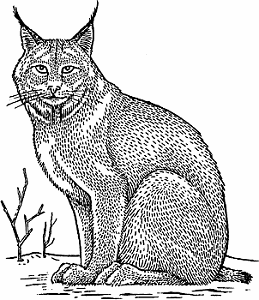
: a North American lynx (L. canadensis) distinguished from the bobcat by its larger size, longer tufted ears, and wholly black tail tip
called alsoCanadian lynx
2
Lynxastronomy: a dim northern constellation that is visible between the constellations of Ursa Major and Gemini and that is represented by the figure of a lynx
… Johannes Hevelius named this new constellation Lynx because only an observer with "the eyes of a lynx" could see its faint shape.—Richard Berry
Illustration of lynx
Examples of lynx in a Sentence
Recent Examples on the Web
Examples are automatically compiled from online sources to
show current usage.Read More
Opinions expressed in the examples do not represent those of Merriam-Webster or its editors.
Send us feedback.
Populations of lynx, brown bears, and moose have since rebounded.—
Lizzie Johnson,
New Yorker,
25 Apr. 2026 Populations of lynx, moose, red deer and even free-roaming packs of dogs have rebounded.—
Derek Gatopoulos,
Los Angeles Times,
19 Apr. 2026 European bison, golden eagles, lynx and elk inhabit the area.—
The Week Uk,
TheWeek,
26 Apr. 2026 Leading by two going into the fourth quarter, the Valkyries went tit-for-tat with the Lynx throughout the final 10 minutes.—
Nathan Canilao,
Mercury News,
5 June 2026 See All Example Sentences for lynx
Word History
Etymology
Middle English, from Latin, from Greek; akin to Old English lox lynx and probably to Greek leukos white — more at light
: a large North American wildcat with rather long legs, a short stubby black-tipped tail, a coat marked with spots and blotches, soft fur, ears with small bunches of long fur at the tip, and large padded feet


 Copy Citation