me or I?: Usage Guide
Me is used in many places where strict grammarians require I. In truth, this has less to do with grammar and more to do with the fact that me has been gradually replacing I since around the 16th century largely because of the pressure of word order. I is now mostly used as the subject of a verb that directly follows it,
and me occurs in every other position: in absolute and emphatic constructions,
and after prepositions, conjunctions, and verbs, including be.
Most usage books recognize the legitimacy of me in these positions, especially in speech; some recommend I in formal and especially written contexts after be
and after as and than when the first term of the comparison is the subject of a verb.
Video

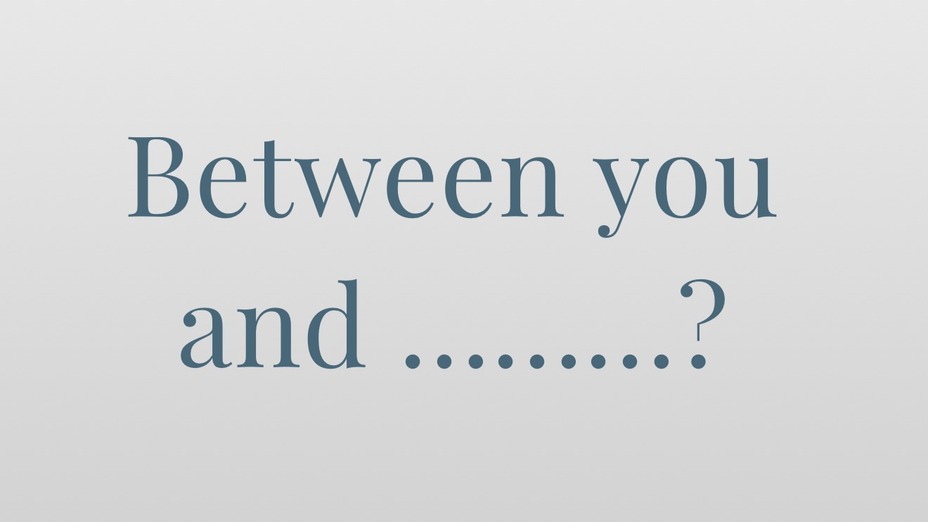
I vs. Me
'Between you and __'? Simple guidance for a tricky pronoun.
Cite this Entry
“Me.” Merriam-Webster.com Dictionary, Merriam-Webster, https://www.merriam-webster.com/dictionary/me. Accessed 21 Jun. 2026.
 Copy Citation